Lobuche Peak Climbing is a 19-day Himalayan adventure that combines the Everest Base Camp trek with the ascent of Lobuche East Peak (6,119m/20,075ft). The journey takes you through the heart of the Khumbu region, including Namche Bazaar, Tengboche, Dingboche, Everest Base Camp and Kala Patthar, before the summit attempt on Lobuche East.
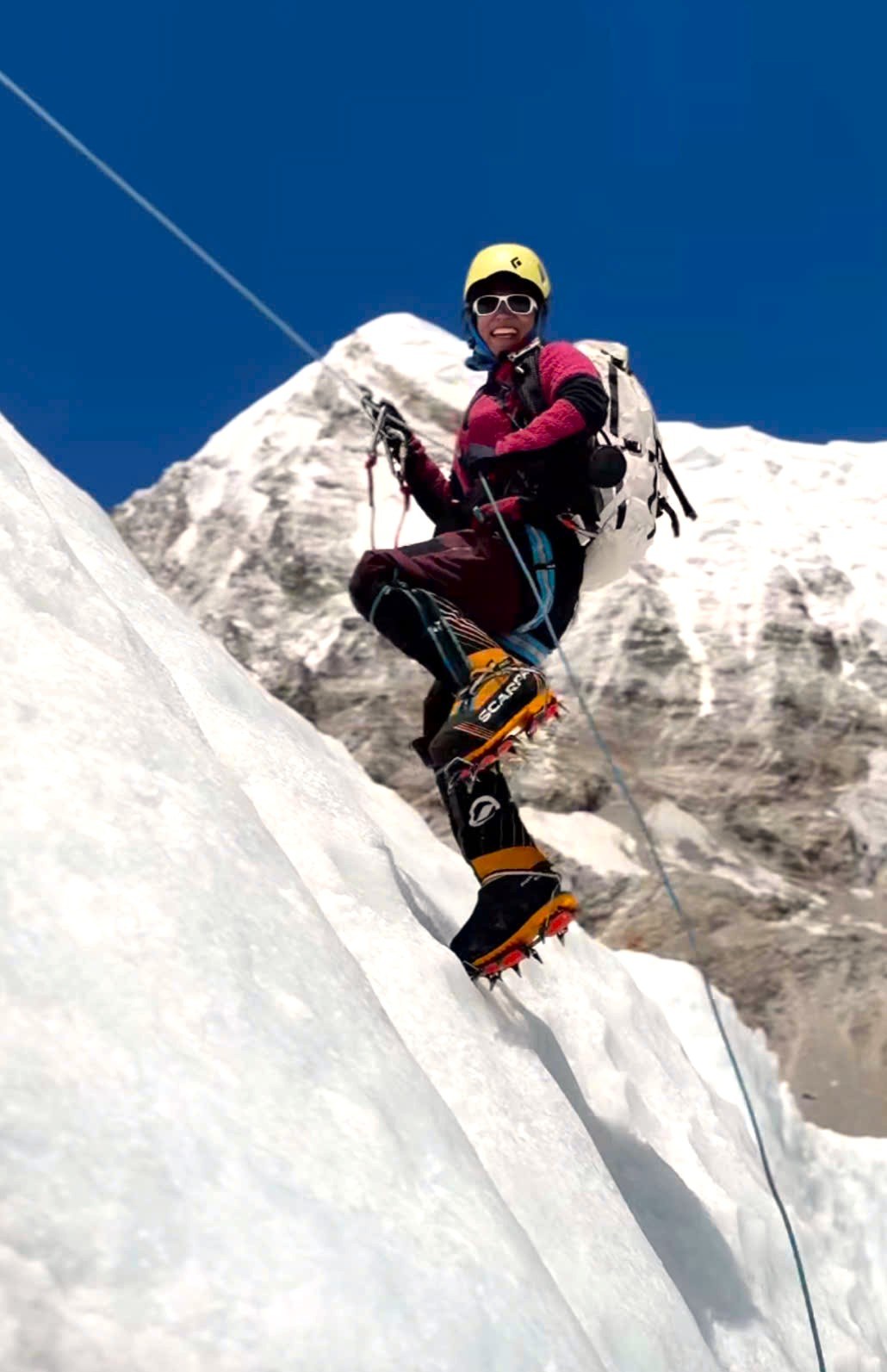
The climb involves glacier travel, steep snow and ice sections, and the use of mountaineering equipment such as crampons, an ice axe, harness and fixed ropes. Previous peak-climbing experience is helpful, but our professional climbing guides provide pre-climb training and support throughout the expedition.
With acclimatization days, a dedicated contingency day and experienced Sherpa climbing support, this itinerary is designed for physically fit trekkers who want to experience their first major Himalayan summit while exploring the Everest region.
The Lobuche Peak Climbing is one of the most rewarding alpine adventures in the Everest Region Trekking, combining the excitement of a high-altitude summit with the iconic Everest Base Camp Trek Route. Standing at 6,119 meters (20,075 feet), Lobuche East Peak offers breathtaking panoramic views of some of the world's highest mountains, including Mount Everest, Lhotse, Nuptse, Ama Dablam, Makalu, and Pumori. Whether you're an experienced trekker looking to step into mountaineering or an aspiring climber preparing for bigger Himalayan expeditions, this journey delivers the perfect balance of trekking, technical climbing, and unforgettable mountain scenery.
Located in Lobuche Peak Nepal, this spectacular 6,119m Peak is classified as a trekking peak by the Nepal Mountaineering Association, making it one of the most popular choices for Peak Climbing in Nepal. Although it requires the use of crampons, ropes, an ice axe, and other basic climbing equipment, the climb is achievable for physically fit adventurers with proper preparation and guidance. A professional Sherpa Guide and an experienced Nepal Climbing Guide play a vital role in ensuring safety while helping climbers build confidence on the mountain.
A typical Lobuche Peak Expedition begins with the scenic Kathmandu to Lukla flight, followed by a classic trek through the heart of Sagarmatha National Park. Along the way, you'll pass traditional Sherpa villages such as Namche Bazar, Tengboche, Dingboche, and Lobuche, where you'll experience the rich culture, warm hospitality, and ancient Buddhist traditions of the Khumbu region. Many itineraries also include a visit to Everest Base Camp Trek with Lobuche Peak and the famous Kala Patthar viewpoint, allowing climbers to enjoy two iconic Himalayan experiences in a single adventure.
For trekkers searching for an Island Peak Climbing Alternative, Lobuche East Climbing is often considered the more scenic and technically engaging option. The summit ridge provides a thrilling alpine experience while rewarding climbers with unmatched views of the Everest massif. This makes it an excellent choice for anyone seeking genuine Himalayan Climbing and Alpine Climbing Nepal without committing to a major expedition.
Our carefully designed Lobuche Peak Itinerary includes gradual altitude gain, dedicated acclimatization days, and pre-climb training to maximize your chances of reaching the summit safely. Every expedition is led by experienced local climbing professionals who understand the unique challenges of high-altitude mountaineering. As a trusted Trekking Agency in Nepal, we provide certified climbing guides, quality equipment support, permit assistance, comfortable accommodation, and personalized service throughout the journey.
The Best Time for Lobuche Peak Climbing is during the spring season (March to May) and autumn season (September to November), when stable weather, clear skies, and favorable climbing conditions offer the highest summit success rates. During these months, the Everest region showcases spectacular mountain views, colorful rhododendron forests in spring, and crisp Himalayan landscapes in autumn.
The overall Lobuche Peak Cost depends on several factors, including trip duration, group size, accommodation, guide services, transportation, and equipment. Every climber must also obtain the required Lobuche Peak Permit, along with the Khumbu Pasang Lhamu Rural Municipality Permit and Sagarmatha National Park Entry Permit. Our team handles all permit arrangements, allowing you to focus entirely on your adventure.
More than simply reaching a summit, Lobuche Peak Climbing is a complete Himalayan journey that combines Trekking in Nepal, Hiking in Nepal, cultural exploration, and high-altitude adventure. Whether you're planning your first Nepal Peak Climbing experience, preparing for a future Everest Expedition in Nepal, or looking for a memorable Nepal Adventure Tour, this expedition offers an exceptional opportunity to develop mountaineering skills while exploring one of the most spectacular mountain landscapes on Earth.
Join us for a professionally guided, Guided Peak Climbing Nepal experience and discover why Lobuche East remains one of the finest Nepal Unique Treks and Expedition in Nepal adventures for climbers seeking challenge, achievement, and the unforgettable beauty of the Himalayas.
Reach the breathtaking summit of Lobuche East Peak, one of the most rewarding trekking peaks in Nepal, and enjoy spectacular panoramic views of Everest, Lhotse, Nuptse, Ama Dablam, Pumori, Makalu, and other Himalayan giants.
Follow the legendary Everest trail through the Khumbu region, experiencing the natural beauty and cultural richness that make Everest Region Peak Climbing one of the world’s most famous mountain adventures.
Experience the unforgettable journey of Everest Base Camp with Lobuche Peak, allowing you to visit the base of Mount Everest before taking on the challenge of a Himalayan summit.
Begin your adventure with the thrilling Kathmandu to Lukla flight, offering incredible aerial views of Nepal’s hills, valleys, and snow-covered Himalayan peaks.
Discover the unique culture, traditions, and hospitality of the Sherpa people while visiting famous mountain settlements such as Namche Bazar, Tengboche, Dingboche, and Lobuche.
Take part in a true alpine adventure involving glacier travel, rope techniques, snow climbing, and summit preparation under the guidance of an experienced Sherpa Guide and professional Nepal Climbing Guide.
Lobuche East Climbing is an ideal choice for adventure seekers looking to gain high-altitude mountaineering experience before attempting more technical Himalayan expeditions.
Enjoy a safe and well-organized expedition with experienced climbing leaders, quality equipment support, acclimatization planning, and reliable logistics from a trusted Trekking Agency in Nepal.
Witness some of the world's most beautiful mountain scenery, including Everest, Lhotse, Cho Oyu, Makalu, Ama Dablam, and countless surrounding peaks.
Combine Hiking in Nepal, cultural exploration, mountain climbing, and breathtaking landscapes into one unforgettable Nepal Adventure Tour.
For climbers seeking a different challenge, Lobuche Peak is an excellent Island Peak Alternative, offering a more remote feel and a thrilling summit experience.
The experience gained during Lobuche Peak Nepal climbing helps build confidence and skills for future Mountaineering Nepal adventures and larger expeditions.
Choosing the best time for Lobuche Peak Climbing is essential for a safe and successful summit experience. Located in the Everest region of Nepal, Lobuche East Peak (6,119m) requires favorable weather conditions, stable snow, clear visibility, and manageable temperatures. The two best seasons for the Lobuche Peak Expedition are spring (March to May) and autumn (September to November), when the Himalayan weather is most suitable for trekking and climbing.
Spring is considered one of the best times for Lobuche Peak Climbing because of stable weather, warmer temperatures, and excellent mountain visibility. During this season, climbers can enjoy clear views of Everest, Lhotse, Nuptse, Ama Dablam, Pumori, and other Himalayan peaks.
The trails of the Everest region become lively with blooming rhododendron forests, and the climbing conditions on Lobuche East Climbing routes are generally favorable. The warmer days make trekking from Lukla to Namche Bazar, Dingboche, and Lobuche more comfortable, while the summit period usually offers better chances of successful climbing.
Autumn is another excellent season for Lobuche Peak Nepal climbing and is widely considered the most popular trekking and expedition period in Nepal. After the monsoon season, the skies become clear, the air is fresh, and the mountain views are spectacular.
This season is perfect for combining Everest Base Camp with Lobuche Peak, as trekkers and climbers can enjoy the famous Everest trail under some of the year's best conditions. The stable weather, dry trails, and excellent visibility make autumn a favorite choice for both beginners and experienced climbers.
Ideal conditions for Himalayan Climbing and Mountaineering Nepal
Winter climbing is possible for experienced mountaineers, but it is considered more challenging due to extremely cold temperatures, strong winds, and heavier snowfall at higher elevations. The summit conditions of the 6119m Peak can become difficult, requiring advanced preparation and greater flexibility.
However, winter offers peaceful trails, fewer trekkers, and stunning snow-covered landscapes for those seeking a more isolated Nepal Adventure Tour experience.
The monsoon season is generally not recommended for Lobuche Peak Climbing because of frequent rainfall, cloudy weather, slippery trails, and limited mountain visibility. Flight delays between Kathmandu and Lukla are also more common during this period.
With proper acclimatization, a well-planned Lobuche Peak Itinerary, and support from an experienced Sherpa Guide and professional Nepal Climbing Guide, climbers can enjoy a safe and memorable journey to the summit of Lobuche East Peak.
For adventure seekers looking for a challenging yet achievable Trekking Peak Nepal experience, Lobuche Peak Climbing offers the perfect combination of trekking, culture, and high-altitude alpine adventure in the heart of the Everest region.
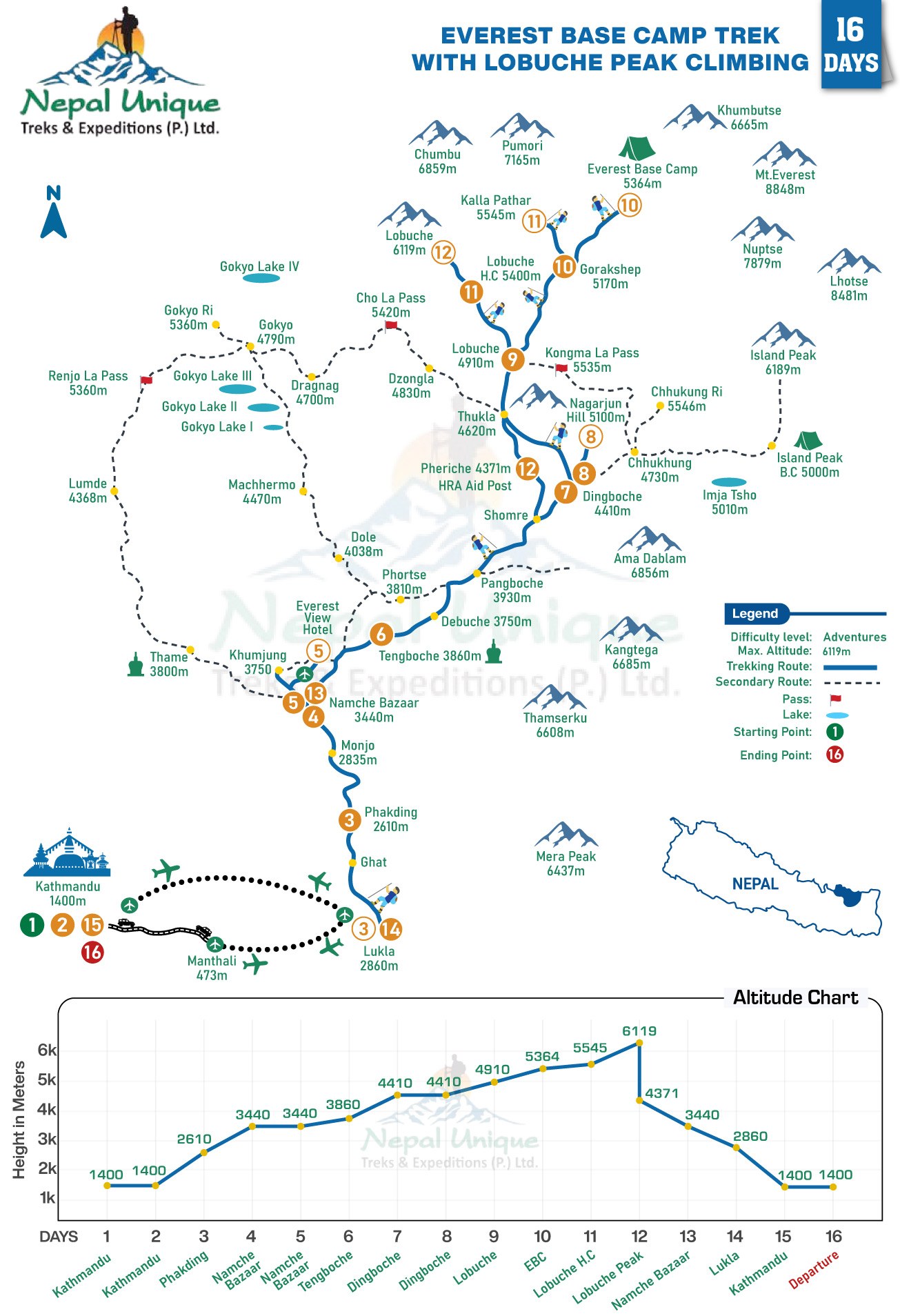
Arrive in Kathmandu, Nepal Unique Treks staff will welcome you in Nepal, and transfer to your hotel, If you arrive early day in Kathmandu use the spare time to explore the vibrant city, visit cultural sites, and make necessary preparations for the trek.
After Breakfast meet with the Tour guide and complete our trek and Lobuche Peak Climbing official agreements. Start Sightseeing in Kathmandu Valley and visit Swayambhunath, Bouddhanath, Pashupatinath ( Hindu Temple), and Patan Durbar Squire. Drive back to hotel Early afternoon then preparation trekking and climbing gear. Overnight stay at Themel.
1 Am drive from Kathmandu to Ramechhap, it will be 138 km and 5/6 hrs. Then 20 m mountain scenice flight to Lukla 2850 m. Arrive in Lukla which is gatewaya to the Mt Everest. Meeting with local sherpa, Trek to Phakding Village 2610m, it takes 4/5 hrs along the Dudhkosi River and via local sherpa village. Overnight stay in Phakding.
After breakfast trek continues along the Dudh Koshi River, Thorough Manju, and other Sherpa villages. Cross-suspension bridges. 6/7 hrs Trek and reach Namche Bazaar, the main trading center and hub for trekkers in the Khumbu region. You will like the settlement of Namche Bazaar. It will be a wonderful stay with magnificent Mountain View
Acclimate to the altitude by exploring Namche Viewpoint and hiking to Everest View Hotel or Khumjung Village higher elevations for panoramic views of Everest, Lhotse, and Ama Dablam and others peak surrounding there.
After Breakfast in Hotel walk through forests and enjoy views of Mt. Everest, Nuptse, and Lhotse. The day is over with magnificent mountain views. In the evening it gets dark Visit Tengboche Monastery, one of the most significant Buddhist Monastery in the region. You may pray for a successful trip offering a butter lamp and some donation makes purify your soul and receive good luck from the Monastery.
You will enjoy the morning view of sunrise with the Mt Everest. After breakfast descend to Debuche village and cross the Imja River, Tea break in Pangbuchhe village where many record holder Sherpa also enjoy breathtaking views of Ama Dablam view from the Teashop. Lunch break in Somare then trek continue to Dingbuchhe.
Today, most of the people say rest day in Dingbuchhe but we say Acclimatization day. After breakfast hike to Nagarjun Hill or Chukkung Ri for better acclimatization. And hike back to the Hotel for lunch. After that, you may have free time to explore around Diuchhe village. Take a shower, do laundry, and ,rest of time enjoy in a coffee shop.
Early in the morning take a breakfast, then head towards Lobuche, passing through the memorial of Everest Climbers monuments. The monument belongs to the Everest Climbers who lost their lives on Everest during the Expeditions.
Trek continues through ridge of khumbu Glacier and check in Guesthouse in Gorakshep 5180 m. After Lunch Trek to Mt Everest Base Camp 5364 m, enjoy the iconic location, and then return to Gorakshep for the night.
Early in the morning 4 am ascent to Kalapatthar (5,545m/18,192ft), for stunning sunrise views of Everest and surrounding snow peaks. Trek back to Hotel and take breakfast Then Descend to Lobuche for the night.
Today we will preparation for the peak climbing in Lobuche. Meeting with Climbing guide then trek to Lobuche peak Base Camp. After lunch training and walk surrounding there and overnight stay on tent.
Our Climbing Guide is an expertise on this field. So guide will teach you and assist needed information and help. Climb up to Lobuche High Camp, where you'll spend the night.
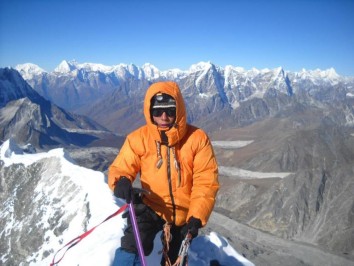
Today is the remarkable day, you will receive the achievement and you made the history on your life by Summit Lobuche Peak (6,119m/20,075ft), Enjyo the Everest Panoramice view, After spending memoriable time on Himalaya, safly descend to Pheriche Village via Lobuche Peak Base Camp.
Due to bad weather and any region delay for the summit of Lobuche Peak, we can use this Contingency
After Breakfast descends to Namche Bazaar vie Pangbuchhe, Tengbuchhe Monastery, and Kyangjuma. The day will be fruitful with a magnificent view of Kwangde and enough oxygen for breath.
fresh and warm breakfast with the Kwangde mountain view. and trek to Lukla via Manju village, Phakding, and checkout from the Sagarmatha National Park. Your legs are stopped in Lukla to celebrate the last day trek with Sherpa
Early in the morning magical flight to Ramechhap Airport then a 4/5 hrs drive back to Kathmandu.
Tonight you are invited by Nepal Unique Treks for a farewell dinner and you will awarded by certificate of Lobuche Peak Climbing. The night is yours if you like to explore the nightlife in Kathmandu. The guide can assist you. Make memories and leave your footprints.
Final day in Kathmandu. collect some handicrafts from Local markets which gives you memories and reminds you. Gift for your family and friends. 3 hrs before you will be departure from the Hotel then your flight schedule.
Trekking difficulty
The approach is the standard Everest Base Camp route through Namche, Tengboche, Dingboche and Lobuche village. It is a moderate to strenuous trek of 7 to 10 days with long days, steady climbing and cold, basic lodges. Most people combine it with acclimatization hikes, then move to Lobuche High Camp (about 5,400 to 5,600 m). The trek is not technical, but it sets the altitude tone for the whole trip.
Overall it is demanding but achievable for fit beginners with guides. The summit push is a long day of 8 to 12 hours, starting around midnight or 1 am, usually from High Camp. Most of the difficulty comes from altitude, cold, fatigue and exposure rather than any single hard move.
Summit is 6,119 m, with High Camp around 5,400 to 5,600 m. At 6,000 m there is roughly half the oxygen available at sea level. You will spend several nights above 4,900 m, and sleeping altitude matters more than summit altitude for how you feel.
There is some, mostly on the upper snow slopes. Crevasses are generally modest and often bridged, but conditions vary by season. Your guide will decide whether to rope up as a team. Basic crevasse awareness and roped team travel are needed.
Required. You need stiff or semi-stiff crampons that fit your boots properly, worn on the glacier, headwall and ridge. Practice walking in them before the trip, especially on steep terrain, because poor technique is a common cause of trouble.
Required. You will use it for balance on steep snow, as a self-arrest tool and for support on the headwall. Know how to self-arrest, since a fall on the upper slopes could be serious.
Expect fixed lines on the headwall and often the ridge, set by guides or the expedition team. You will clip in with a harness, jumar (ascender) and carabiners, and abseil on descent. Learn to use a jumar and a belay or abseil device. Roped glacier travel may also apply.
You need strong aerobic fitness and leg endurance for several consecutive big days at altitude. Good preparation is regular hiking with a loaded pack, cardio such as running, cycling or stair climbing, and strength work for the legs and core, ideally for 3 to 6 months. Mental resilience matters as much as fitness, because summit day is a cold, tiring slog.
Not mandatory, and many climbers here are beginners. However, a short course helps a great deal, covering crampon use, ice axe, fixed-line and abseil skills. Prior time at altitude (for example Island Peak, Mera Peak or a high trek) is a strong advantage. Going with a reputable guide company that provides training at base camp is strongly recommended.
This is the biggest risk. Acute mountain sickness (headache, nausea, fatigue, poor sleep) is common, and HAPE (lung) and HACE (brain) are life-threatening if ignored. To reduce the risk:
The best windows are pre-monsoon (April to May) and post-monsoon (October to November, the most stable and popular). Even then, summit day is very cold, often -15 to -25°C before wind chill, and winds can be strong on the ridge. Conditions change quickly, and summit attempts are frequently delayed or turned back for wind, snowfall or poor snow conditions. Build spare days into your itinerary.
Lobuche East is a realistic first Himalayan peak for a very fit, well-prepared and well-guided person, but it should not be underestimated. Respect the altitude, learn the basic skills beforehand, choose a strong guide company and be willing to turn around.
Lobuche East suits people who already have some high-altitude and fitness background and want a first real Himalayan summit. It is not a casual extension of a trek.
Experienced high-altitude trekkers. If you have already spent time above 5,000 m, you know how your body responds to thin air, cold and poor sleep. That knowledge matters more than anything else here, because altitude, not technical difficulty, is what stops most people.
Physically fit hikers. You need the stamina for a 8 to 12 hour summit day after several days of trekking and high camp living. Regular long hikes with a pack, plus cardio and leg strength training, are the baseline.
People with basic mountaineering experience. You don't need to be an expert, but comfort with crampons, an ice axe, fixed lines and abseiling makes the headwall and ridge far more manageable and safer.
Climbers preparing for larger Himalayan expeditions. Lobuche East is a good stepping stone toward peaks like Mera Peak, Island Peak, Ama Dablam or 8,000 m objectives. It lets you test your acclimatization, gear and mental resilience at 6,000 m.
Trekkers who have completed Everest Base Camp or similar routes. The approach follows the EBC trail, so prior experience on it means familiar terrain and proven altitude tolerance. It is a natural progression from trekking to climbing.
First-time hikers with no high-altitude experience. Going straight to a 6,000 m peak with no record of how you handle altitude is a gamble, and a risky one, since altitude illness can strike anyone regardless of fitness.
People uncomfortable with exposed terrain. The headwall is steep and the summit ridge is narrow with drops on both sides. If heights or exposure cause panic, you may not enjoy it or may be unable to continue safely.
Travelers not prepared for long summit days. Starting around midnight, climbing in extreme cold and returning to camp or even Lobuche village the same day is exhausting. Without mental toughness and the willingness to endure discomfort, the day can become dangerous.
People without adequate physical preparation. Arriving under-trained is the most common avoidable mistake. Fatigue slows you down, increases the risk of errors and makes altitude symptoms harder to cope with.
You are probably a good candidate if you can honestly say yes to most of these:
Feature | Lobuche East | Island Peak |
| Elevation | 6,119m | 6,189m |
| Region | Everest | Everest |
| Technical difficulty | Higher technical challenge | Moderate technical challenge |
| EBC combination | Excellent | Excellent |
| Experience required | High-altitude experience recommended | Basic climbing experience helpful |
Find answers to the most frequently asked questions about this tour.
Lobuche Peak is located in Nepal's famous Everest region within Sagarmatha National Park. Rising to 6,119 meters (20,075 feet), the mountain sits near Everest Base Camp and offers breathtaking views of Mount Everest, Lhotse, Nuptse, Ama Dablam, Pumori, and other Himalayan giants. Its location makes it one of the most sought-after trekking peaks in Nepal.
Lobuche Peak Climbing is considered a moderately technical mountaineering adventure. While the trekking section follows well-established trails, the final summit ascent requires the use of climbing equipment such as crampons, ropes, a harness, and an ice axe. With proper acclimatization, good physical fitness, and guidance from an experienced climbing guide, many trekkers successfully reach the summit.
Previous mountaineering experience is helpful but not essential. Climbers with experience on high-altitude treks and a good level of fitness can attempt Lobuche Peak after receiving basic climbing instruction at the base camp. Professional Sherpa guides provide training on using climbing gear before the summit push.
The best seasons are spring (March to May) and autumn (September to November). During these months, the weather is generally stable, mountain views are crystal clear, and snow conditions are more favorable for climbing. These seasons also offer the highest summit success rates.
Most Lobuche Peak itineraries last 16 to 20 days, depending on whether they include Everest Base Camp, Kala Patthar, acclimatization days, and extra time for weather flexibility. A well-planned itinerary helps reduce the risk of altitude sickness and improves the chances of reaching the summit safely.
Yes. Many climbers combine Everest Base Camp with Lobuche Peak in a single itinerary. This allows you to visit the base of the world's highest mountain before continuing to Lobuche Peak Base Camp for your summit attempt, making the adventure even more rewarding.
You will need three permits:
Most trekking agencies arrange these permits before your expedition begins.
The cost of a Lobuche Peak expedition varies depending on the itinerary, group size, guide services, accommodation, meals, domestic flights, permits, and equipment. On average, guided expeditions range from USD 2,000 to USD 3,500 per person. Always check what is included before booking.
Lobuche Peak is suitable for adventurous trekkers with strong physical fitness and some high-altitude trekking experience. While it is more challenging than a standard trek, it is often chosen as a first Himalayan climbing experience because it offers an introduction to basic mountaineering techniques under professional supervision.
Yes. Hiring a licensed Sherpa climbing guide is strongly recommended for both safety and success. Experienced Sherpa guides know the route, monitor weather conditions, assist with technical climbing, and help climbers adapt to the challenges of high altitude.
Essential equipment includes mountaineering boots, crampons, an ice axe, climbing harness, helmet, ascender, descender, carabiners, trekking poles, warm down clothing, gloves, sunglasses, and a high-quality sleeping bag. Most climbing agencies in Kathmandu offer equipment rental if you do not own your gear.
Yes. Since the summit reaches over 6,000 meters, altitude sickness is a potential risk. A gradual ascent, proper acclimatization, adequate hydration, nutritious meals, and following your guide's recommendations are key to reducing the risk and ensuring a safe expedition.
The journey begins with a scenic flight from Kathmandu to Lukla. From Lukla, the trekking route passes through Phakding, Namche Bazaar, Tengboche, Dingboche, and Lobuche before reaching the base camp. After climbing the peak, the trail follows the same route back to Lukla for the return flight to Kathmandu.
Yes. Comprehensive travel insurance that covers high-altitude trekking and climbing, helicopter evacuation, medical treatment, and trip cancellations is strongly recommended. Before purchasing a policy, confirm that it covers activities above 6,000 meters.
Lobuche Peak is an excellent choice for climbers seeking a combination of Everest region trekking and technical climbing. Compared to many other trekking peaks, it offers a more engaging summit experience, spectacular Himalayan scenery, and an ideal opportunity to develop mountaineering skills for future high-altitude expeditions.
Lobuche Peak Climbing combines the best of Nepal in a single journey—iconic trekking trails, Sherpa culture, ancient monasteries, glacier travel, technical climbing, and unforgettable Himalayan panoramas. Whether you are preparing for larger mountaineering goals or simply looking for an extraordinary adventure, reaching the summit of Lobuche East is an achievement that will stay with you for a lifetime.
Nepal 
Nepal
Nepal
Nepal
Nepal

(51) Reviews
.jpg)
.jpg)
 WhatsApp
 Plan Your Trip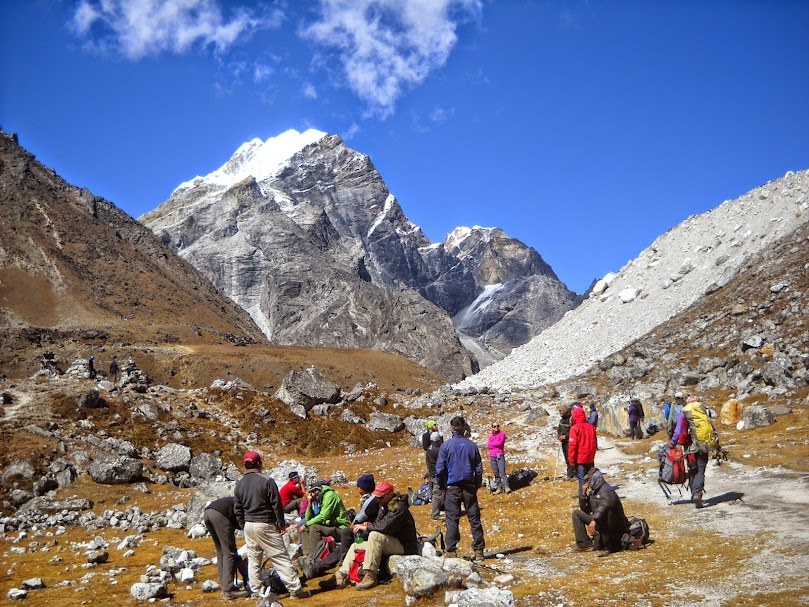


 Reviews 5/5
 Reviews 5/5
 Reviews 5/5